Key Takeaways
- Stay Compliant with Regulations
Understand and follow federal, California, and local housing laws to avoid penalties and maintain safe, habitable properties. - Prioritize Inspections & Preventive Maintenance
Routine inspections and proactive maintenance help catch issues early, reducing risks and costly repairs. - Enhance Fire, Health & Structural Safety
Install and maintain smoke detectors, address environmental hazards like mold or lead, and ensure structural integrity—especially in seismic areas. - Improve Security & Communication
Strong locks, proper lighting, and clear communication with tenants about safety procedures help create a secure and well-managed environment.
Providing safe housing is a core responsibility of rental property ownership. Strong safety standards protect tenants, preserve property value, and reduce risk for landlords. In a diverse region like Greater Los Angeles, consistent safety practices are essential.
At Los Angeles Property Management Group, maintaining a secure rental requires proactive maintenance, compliance with regulations, and clear communication with residents. Below are key areas landlords should evaluate to ensure their properties meet modern safety expectations.
Understand the Regulatory Landscape
Rental housing in Greater Los Angeles operates under several layers of regulation. Federal housing laws establish baseline safety standards, while California statutes and municipal ordinances introduce additional requirements.
Local building codes address structural integrity, sanitation, electrical systems, and habitability standards to ensure residential properties remain safe for occupants.
Because regulations can change, staying informed is essential. Landlords who regularly review updated requirements and permitting guidelines are better prepared to remain compliant and avoid penalties.
Get a Free Consultation Today!
Prioritize Routine Property Inspections
Regular inspections are one of the most effective ways to maintain safety. Scheduled evaluations help identify potential problems before they develop into major repairs.
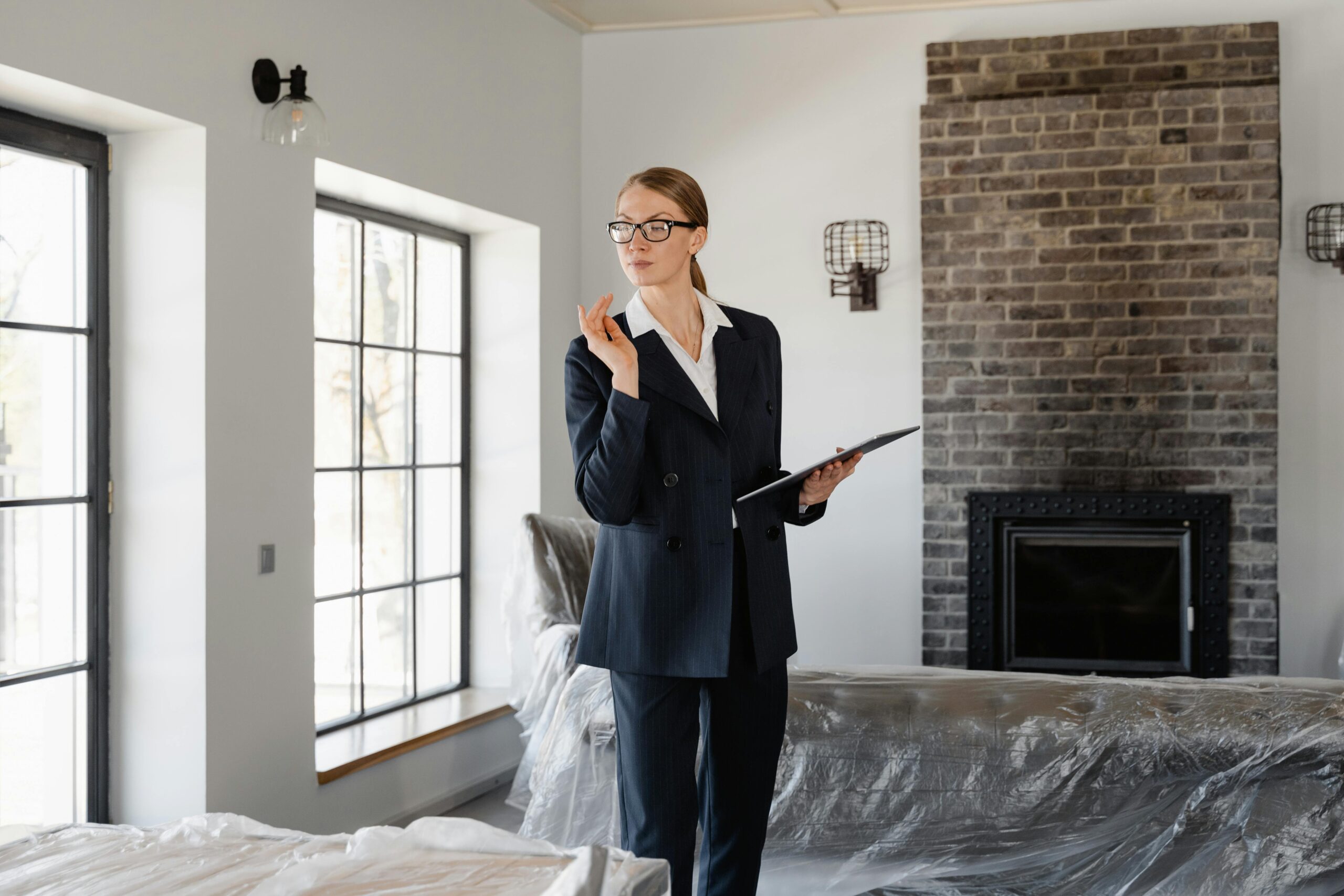
Professional inspections should review structural elements, plumbing systems, electrical wiring, and heating or cooling equipment. In Southern California, where seismic activity is a factor, structural stability is particularly important.
Routine walkthroughs can also reveal smaller concerns such as leaks, damaged railings, or loose flooring. Addressing these early reduces safety risks and prevents costly repairs.
Implement Preventive Maintenance
Maintenance should function as an ongoing system rather than a reaction to tenant complaints. A structured maintenance plan allows property owners to monitor equipment and address wear before hazards develop.
Regular servicing of HVAC systems, plumbing fixtures, and electrical panels can reduce unexpected failures. Exterior upkeep, such as maintaining stairs, handrails, and walkways, also helps prevent accidents.
In warmer climates like Los Angeles, monitoring roof condition and ventilation is important to avoid heat buildup and moisture problems.
Strengthen Fire Safety Measures
Fire prevention remains one of the most important safety responsibilities for rental housing. California regulations require smoke detectors in key areas, including bedrooms and common spaces, to provide early warning during emergencies.
Landlords should also ensure fire extinguishers are accessible where required and that exits remain unobstructed.
Routine testing of alarms and replacing batteries helps maintain reliability. Proper appliance use and well-maintained electrical systems also help reduce fire risks.
Address Environmental Health Risks
Environmental hazards can create serious health concerns if left unresolved. Older buildings may require attention to materials and conditions common in earlier construction.
Properties built before the late 1970s may contain lead-based paint, which requires disclosure and careful handling under California regulations.
Moisture control is equally important. Water intrusion, leaks, and poor ventilation can lead to mold growth that affects indoor air quality. Prompt repairs and proper airflow help prevent these issues.
Regular pest management also helps maintain healthy living conditions.
Improve Exterior Safety
Safety concerns are not limited to the interior of a property. Exterior areas play an important role in preventing injuries and maintaining security.
Well-lit pathways, stable staircases, and clearly marked entryways help reduce the risk of accidents. Motion-sensor lighting or properly positioned fixtures can also improve visibility around parking areas and entrances.
Landscaping should be maintained so that plants or debris do not obstruct walkways. These details contribute to a property that feels secure and well cared for.
Strengthen Security Measures
Basic security measures provide reassurance for residents and discourage unauthorized access. Exterior doors should have sturdy locks, and windows must function properly to close and latch securely.
Some landlords choose to install additional security features such as controlled entry systems or exterior lighting to enhance visibility around entrances.
Even simple improvements, like ensuring gates close properly or repairing damaged fencing, can make a meaningful difference in how safe tenants feel within the property.
Communicate Safety Information with Tenants
Tenant awareness plays a role in maintaining a safe environment. Providing clear instructions about emergency procedures, reporting maintenance issues, and using appliances properly helps prevent accidents.
Many landlords share emergency contact information and encourage residents to notify management immediately when safety concerns arise. Early communication often prevents small problems from becoming serious hazards.

Posting emergency numbers or evacuation guidance in common areas can also improve preparedness.
Maintain Thorough Documentation
Keeping accurate records of inspections, repairs, and maintenance activities is an important part of responsible property management. Documentation demonstrates that safety measures have been completed and can be valuable if questions arise in the future.
Records also help landlords track recurring maintenance needs and schedule future inspections. Organized documentation supports both operational efficiency and regulatory compliance.
Why Safety Standards Matter
Meeting safety standards benefits both landlords and tenants in several ways. Safe housing protects residents from preventable hazards while also reducing legal and financial risks for property owners.
Properties that are well maintained tend to attract responsible tenants who value a stable living environment. This can lead to longer tenancy periods and fewer disruptions between leases.
Regular maintenance and inspections also preserve property conditions. Addressing issues early prevents costly damage and helps maintain long-term value.
Finally, a reputation for responsible property management can strengthen relationships within the local community and make future leasing easier.
Partner With a Greater Los Angeles Property Management Team
Managing safety compliance, coordinating maintenance, and keeping up with local regulations can quickly become complex for property owners. A professional property management team can help oversee inspections, handle repairs, and ensure that your property remains compliant with current safety standards.

If you want to protect your investment while maintaining safe, well-managed housing, consider partnering with a team experienced in the Greater Los Angeles rental market. Contact us today to learn how professional property management can support your property’s success.
Bottom Line
Ensuring that rental properties meet safety standards is not a one-time task. It requires consistent attention, proactive maintenance, and a commitment to responsible, long-term property management. At Los Angeles Property Management Group, we focus on inspections, repairs, and clear communication to help landlords create housing environments that support both tenant well-being and long-term property performance.
Juan Quezada
Director of Construction & Repair Services
As a licensed general contractor, Juan has overseen all facets of construction and repairs for nearly 2 decades. He has special certifications in safety training, and listens attentively to owners as they describe repairs, remodels, and even additions to their investment properties